How Your Lawyer Investigates a Car Accident in Alhambra: From Skid Marks to GPS Data
When you’re involved in a car crash, your first priority is medical care and safety. But once the dust settles, the next question becomes critical: how do you prove who was at fault?
Insurance companies can move quickly to assign blame, but their findings may not reflect the full truth. A thorough legal investigation by your attorney can uncover important facts and help challenge any unfair conclusions about fault.
Richard Lara is a trusted car accident lawyer in Alhambra. The legal team at Lara Law Firm is experienced at gathering car crash evidence, studying black box and GPS data and interviewing witnesses to further investigate a car accident. Every step we take can strengthen your claim under California law.
Step 1: Gathering Physical Evidence at the Scene
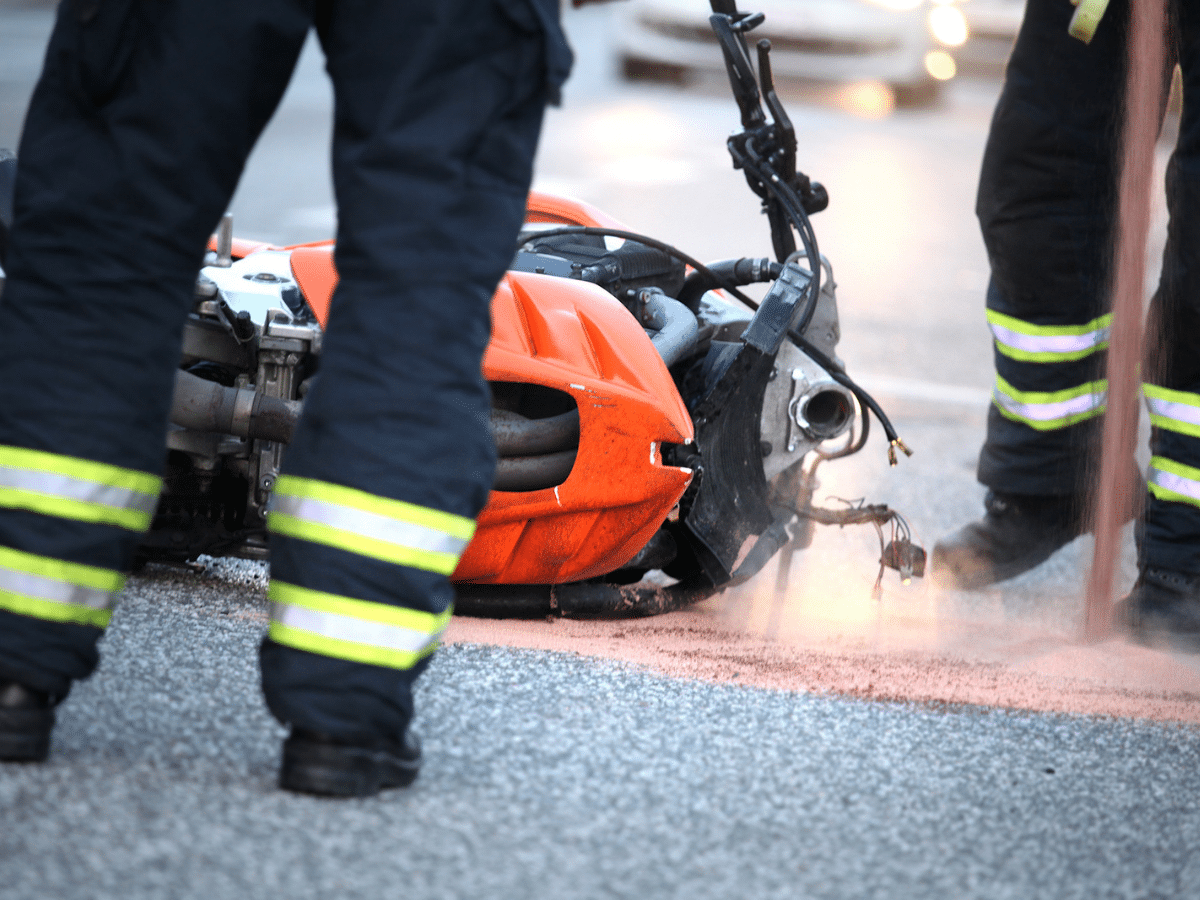
One of the most critical stages of a car accident investigation involves gathering physical evidence. We act fast to visit the crash site, then look for and document important details such as:
- Skid marks and debris: These physical traces can show vehicle speed, direction, and how the crash occurred. Skid marks may indicate sudden braking or loss of control, while debris location can pinpoint the point of impact.
- Vehicle positioning: Where the vehicles ended up can help reconstruct how the accident unfolded.
- Road conditions: Potholes, signage, traffic lights, and road maintenance may play a role in liability.
Step 2: Retrieving Black Box and GPS Data
Today’s vehicles usually come equipped with GPS navigation systems and event data recorders (EDRs), commonly known as the black box. These devices can reveal:
- Speed at the time of impact
- Braking patterns
- Seat belt use
- Vehicle angle and force of collision
Black box and GPS data provide an unbiased, digital timeline of events that can either support or disprove a driver’s version of the story. We secure this data through legal requests and preservation letters, ensuring the evidence isn’t deleted or overwritten.
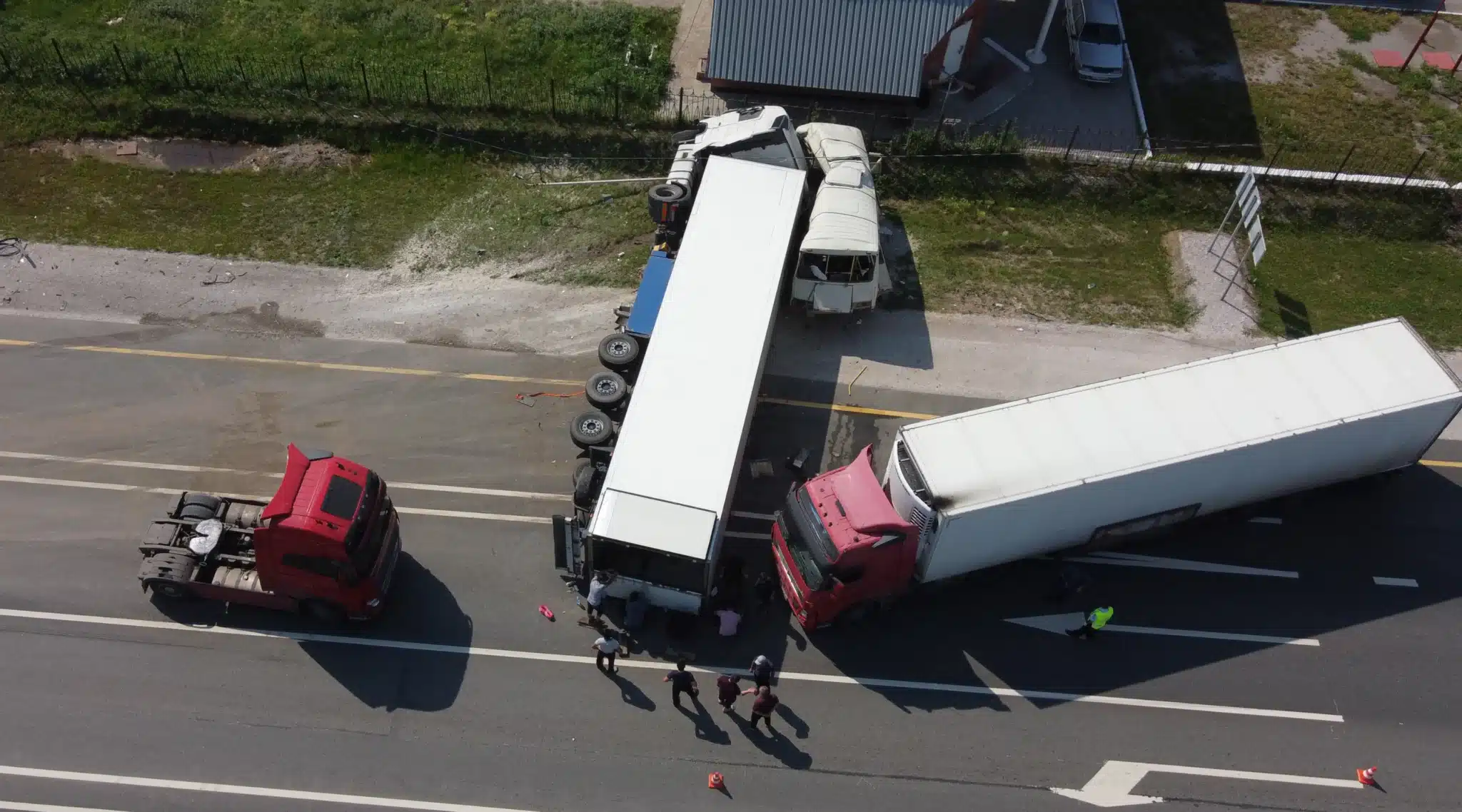
In cases involving trucking, rideshare, and delivery company liability, GPS tracking is often used to determine route compliance, and potential violations of federal or state safety rules. For examples, commercial truck drivers are required to follow strict federal hours of service (HOS) laws to prevent driver fatigue.
Step 3: Police Reports
A key part of any Alhambra car accident case is obtaining a copy of the police report, which will contain essential information such as:
- The officer’s opinion on what caused the crash
- Notes on impaired driving, broken equipment, and driver distractions
- Statements from drivers and witnesses
- Diagrams of the crash
- Weather conditions
- Citations issued
Police reports can play a significant role in shaping the foundation of a liability claim. If they contain errors or missing information, we take steps to correct or supplement the report with additional evidence.
Step 4: Interviewing Witnesses
Eyewitness testimony can be powerful, especially when physical evidence is inconclusive. That’s why it’s vital to question witnesses as soon as possible.
After a car accident, Lara Law Firm will:
- Locate and contact eyewitnesses, including bystanders, nearby drivers, and first responders
- Record detailed written or video statements
- Compare their versions with police reports and physical evidence
Step 5: Checking Driver History
We dig deep into the facts by checking driver history.This information can show a pattern of negligence, such as:
- Prior accidents
- Driving violations (e.g., speeding, DUIs, distracted driving)
- License suspensions
Step 6: Examining Vehicle Maintenance Records
Whether the vehicle involved was personal or commercial, vehicle maintenance records can tell us if mechanical failure contributed to the crash. Worn brakes, bald tires, or ignored recalls are just a few examples of preventable hazards.
When investigating trucking and delivery companies, we review:
- Inspection logs
- Repair invoices
- Maintenance schedules
- Internal policies for vehicle upkeep
Companies that cut corners on vehicle safety may be held responsible for their negligence, especially if the crash could have been prevented with basic maintenance.
Step 7: Analyzing Employer and Company Records
In collisions involving professional drivers, we extend the investigation beyond the driver to the company itself. This includes reviewing:
- Hiring and training practices
- Hours-of-service logs (especially in trucking accident cases)
- Delivery schedules that may encourage unsafe driving
- Internal safety policies
In commercial cases, this information can show a pattern of negligence by demonstrating how an employer failed to screen or monitor their drivers properly.
When we find that companies pressured drivers to meet unrealistic deadlines or ignored red flags in employment records, we build a case for employer liability. Under California law, these entities can be held responsible if their practices contributed to the accident.
Step 8: Collaborating With Experts
After all evidence is collected, we work with a network of professionals to analyze and present your case. Each expert helps us quantify damages and clearly explain how the defendant’s actions caused your injuries. Their input often strengthens your claim in settlement negotiations or at trial.
Expert witnesses may include:
- Accident reconstruction specialists
- Doctors and medical authorities
- Life care planners
- Economic loss analysts
Why a Thorough Investigation Matters
A well-documented case backed by strong evidence puts pressure on insurers to negotiate fairly. And if they don’t, we’re fully prepared to go to trial.
Insurance companies often try to settle quickly. Our job is to uncover every relevant detail so we can:
- Establish clear liability
- Prove the extent of your injuries and losses
- Maximize your financial compensation
Comparative Fault Laws in California Law Supports Your Claim
California follows comparative fault rules. That means more than one party can share liability for a crash. Factors such as distracted drivers, poorly maintained vehicles, or negligent employers can all contribute to an accident. A deep investigation allows us to clearly identify who is liable and assess everyone’s degree of fault.
Speak With a Trusted Alhambra Car Accident Lawyer
If you have been injured in an accident, you’ll want to find an advocate who knows how to uncover the truth and hold negligent parties accountable.
Richard Lara won’t let anything stand in the way when he’s pursuing justice for his clients. He’s been listed as a Top Ranking Attorney by the American Association of Attorney Advocates, and recognized by the American Institute of Personal Injury Attorneys.
Call (626) 872-6607 to schedule your free consultation today. There are no fees unless we win your case.
Let us take the burden off your shoulders and fight for the compensation you deserve.